Product Description
UV Resistance Modern Chinese Outdoor Garden Hotel Home Restaurant Furniture Resort Villa Wicker Rattan Dining Chair and Table Set
1. Rich OEM & ODM Experience
Our factory has 20years experience focus on producing high quality outdoor furniture, we will make your idea come true according to your design drawing or just photo share.
2. Strict Quality Standards
We have professional Quality Control Team, every our department has QC checking, and must be pass checking then through to next department. Before CHINAMFG and loading we must have totally full checking.
3. Professional Sales Service Team
We will provide professional solution for every customer, gain more market share. We will be your backup and grow up together.
4. Competitive Price With Friendly MOQ
Competitive price highly support you to win more market share.
Sample order is also welcome.
5. Delivery On Time
25-45days delivery time
6. Quick Response
We will response you within 0.5-12hours, will never later than 24hours.
7. Before & After Service
Professional suggestion and information help you choose the right styles.
Provide high resolution photos service.
Provide detail photos for your close checking from order beginning to loading.
8. One-Stop Service
We have established long term business with more than 30 raw material suppliers in China. We have an efficient supply chain management system to make sure the delivery on time. We focus on producing outdoor furniture, but also supply Sun-umbrella, bean bags, hammock etc. to support with one-stop shopping service to save your time and cost.
| Material: | Aluminum+Wicker |
|---|---|
| Style: | European |
| Usage: | Hotel, Dining Room, Outdoor, Restaurant |
| Folded: | Unfolded |
| Customized: | Customized |
| Condition: | New |
| Samples: |
US$ 920/Set
1 Set(Min.Order) | |
|---|
| Customization: |
Available
|
|
|---|
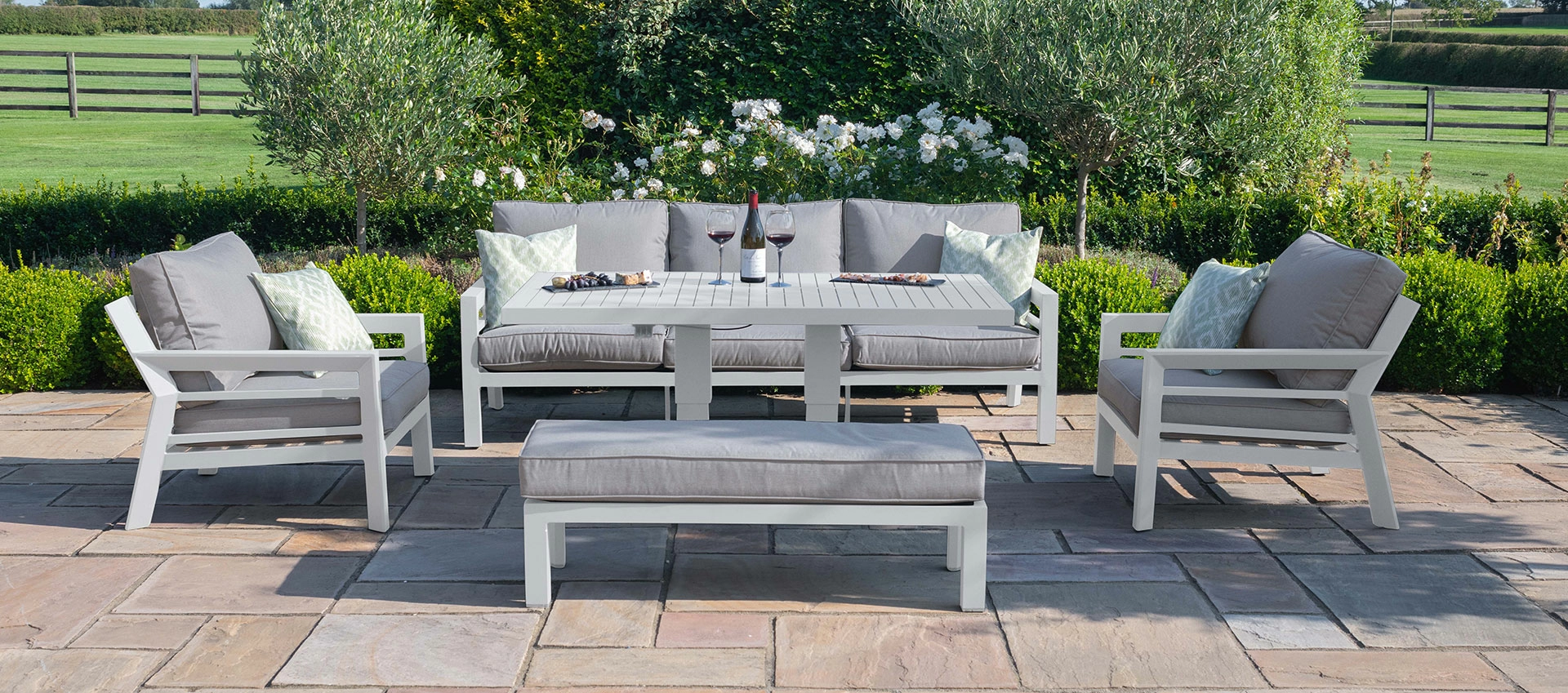
How do I keep outdoor furniture from getting blown away during windy weather?
Preventing outdoor furniture from getting blown away during windy weather requires taking certain precautions to secure the furniture and minimize the risk of damage or displacement. Here are some effective methods:
1. Choose Heavy and Sturdy Furniture:
Opt for outdoor furniture that is heavy and sturdy. Furniture with a solid construction and a low center of gravity is less likely to be blown away by strong winds. Materials such as cast iron or solid wood can provide better stability.
2. Anchor the Furniture:
Secure the furniture to the ground or a fixed structure using anchors or tie-downs. Anchoring systems, such as straps, cables, or stakes, can be attached to the furniture and anchored to the ground or nearby structures to prevent movement or tipping over.
3. Use Sandbags or Weights:
Place sandbags or weights on the base or legs of the furniture to add extra stability. The additional weight helps keep the furniture grounded and reduces the chances of it being blown away by strong winds.
4. Position Furniture Strategically:
Consider the placement of the furniture in your outdoor space. Position it in areas that are sheltered or surrounded by windbreaks, such as walls, fences, or trees. These natural barriers help reduce the impact of wind and provide some protection to the furniture.
5. Fold and Store:
If your outdoor furniture is foldable or collapsible, consider folding and storing it indoors or in a secure storage area during periods of strong winds. This eliminates the risk of damage and ensures the furniture remains intact.
6. Use Windproof Accessories:
Utilize windproof accessories designed specifically for outdoor furniture. These may include clips, straps, or fasteners that secure cushions, covers, or other removable parts of the furniture, preventing them from being blown away or displaced.
7. Store Removable Cushions and Accessories:
During windy weather, remove cushions, pillows, or other accessories from the outdoor furniture and store them indoors. Lightweight items are more susceptible to being blown away, and storing them safely prevents damage or loss.
8. Monitor Weather Forecasts:
Stay informed about weather conditions and forecasts in your area. If strong winds or severe weather are expected, take proactive measures to secure the outdoor furniture in advance.
9. Regular Maintenance:
Maintain your outdoor furniture regularly to ensure its stability and durability. Tighten any loose fittings, repair damaged parts, and replace worn-out components to keep the furniture in optimal condition.
By implementing these measures, you can significantly reduce the risk of outdoor furniture being blown away during windy weather, protecting your investment and ensuring the safety of your outdoor space.
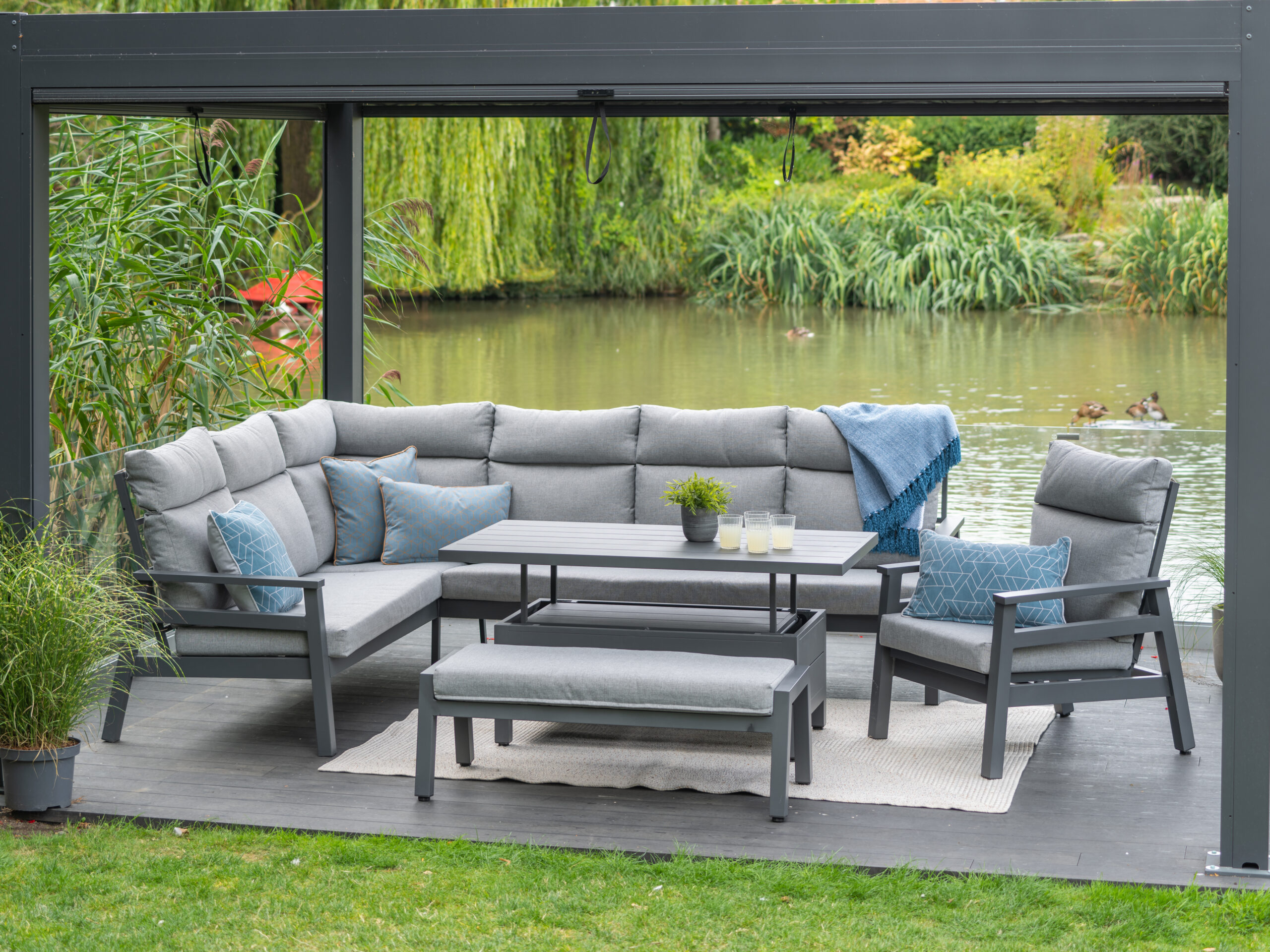
What are the pros and cons of using metal vs. wooden outdoor furniture?
When choosing outdoor furniture, both metal and wooden options have their own set of advantages and disadvantages. Here’s a breakdown of the pros and cons of each:
Metal Outdoor Furniture:
Pros:
- Durability: Metal furniture, such as aluminum, wrought iron, or stainless steel, is generally more durable and long-lasting than wood.
- Weather Resistance: Metal furniture is often resistant to the elements, including rain, sun exposure, and pests. It can withstand harsh weather conditions better than some wood options.
- Low Maintenance: Metal furniture typically requires minimal maintenance. It is easy to clean and does not require regular staining or sealing like wood.
- Stability: Metal furniture is generally more stable and less prone to warping or sagging over time.
- Modern Aesthetic: Metal furniture can lend a sleek and contemporary look to outdoor spaces.
Cons:
- Heat Absorption: Metal furniture can absorb heat and become hot to the touch when exposed to direct sunlight.
- Weight: Some metal furniture can be heavy, which can make it more difficult to move or rearrange.
- Price: Higher-quality metal furniture can be more expensive than wooden alternatives.
- Style Limitations: Metal furniture may have fewer design options compared to wood, limiting the variety of styles available.
Wooden Outdoor Furniture:
Pros:
- Natural Beauty: Wood furniture offers a warm and natural aesthetic that many people find appealing.
- Customization: Wood can be easily shaped, carved, and customized to create unique furniture pieces.
- Comfort: Wood furniture is often more comfortable to sit on than metal, especially with the addition of cushions or padding.
- Availability: Wooden outdoor furniture is widely available in various styles and price ranges.
Cons:
- Maintenance: Wood furniture requires regular maintenance, including staining, sealing, and occasional refinishing, to protect it from moisture, pests, and sun damage.
- Weather Sensitivity: Some types of wood are more susceptible to weather damage, such as warping, splitting, or rotting, if not properly maintained.
- Weight and Fragility: Wooden furniture can be heavy and more fragile than metal, making it susceptible to damage from strong winds or accidental impacts.
- Pest Attraction: Wood furniture can be attractive to pests like termites or carpenter bees if not properly treated or maintained.
When choosing between metal and wooden outdoor furniture, consider factors such as your preferred style, the climate in your area, maintenance requirements, and budget. Both options can provide durable and attractive outdoor seating and dining solutions, so it ultimately comes down to personal preference and specific needs.
What are the different types of outdoor furniture, such as dining sets and loungers?
Outdoor furniture comes in various types and styles to suit different needs and preferences. Here are some common types of outdoor furniture:
1. Dining Sets: Outdoor dining sets typically consist of a table and chairs designed for outdoor dining. They come in various sizes and materials such as wood, metal, or wicker. Dining sets are ideal for enjoying meals with family and friends in your outdoor space.
2. Loungers and Chaise Lounge: Loungers and chaise lounges are designed for relaxation and sunbathing. They often feature adjustable backrests and can be made from materials like wood, aluminum, or wicker. These pieces are perfect for sunbathing, reading, or taking a nap outdoors.
3. Outdoor Sofas and Sectionals: Outdoor sofas and sectionals provide comfortable seating for lounging and socializing in your outdoor space. They are available in various sizes and configurations, allowing you to customize your seating arrangement. Outdoor sofas and sectionals can be made from materials such as wicker, aluminum, or teak.
4. Outdoor Chairs and Benches: Outdoor chairs and benches are versatile seating options for your outdoor space. They come in different styles, including Adirondack chairs, rocking chairs, and benches. These pieces can be made from materials like wood, metal, or plastic.
5. Outdoor Tables: Outdoor tables are available in different shapes and sizes, including coffee tables, side tables, and accent tables. They can be made from materials such as wood, metal, or glass. Outdoor tables provide surfaces for placing drinks, snacks, or decor items.
6. Outdoor Umbrellas and Shade Structures: Outdoor umbrellas and shade structures offer protection from the sun and provide shade for your outdoor space. They come in various sizes and styles, including market umbrellas, cantilever umbrellas, and pergolas. These structures are often made from materials like aluminum, wood, or fabric.
7. Outdoor Storage: Outdoor storage solutions, such as storage benches or cabinets, are designed to store cushions, pillows, gardening tools, and other outdoor accessories. They provide a convenient storage option while keeping your outdoor space organized.
8. Swings and Hammocks: Swings and hammocks offer a relaxing and playful element to your outdoor space. They come in different designs, including porch swings, hanging hammock chairs, and freestanding hammocks. These pieces are perfect for unwinding and enjoying gentle rocking motions.
These are just a few examples of the different types of outdoor furniture available. When selecting outdoor furniture, consider your space, intended use, and personal preferences to choose the pieces that best suit your needs and style.
editor by CX 2023-11-08
China wholesaler K as-B2102 Garden Hotel Hospital Living Room School Student Elegant Classic Computer Wooden Home Furniture Office Chair with high quality
Product Description
K as-B2102 Garden Hotel Hospital Living Room School Student Elegant Classic Computer Wooden Home Furniture Office Chair
Our Advantages
What makes us different:
1. One piece 1 carton for the package-design, convenient to distribution and warehouse management.
2. Trial orders of small amounts and small samples are acceptable in our factory with understanding.
3. Fast lead time promising within 29 days and even faster for 1 model 1 container.
4. Email-reply within 1 hour with our thoughtful customer service.
5. Soonest quotation for product picture with data details.
6. Ergonomic and innovative design.
Specs
| Factory Item Code | AS-B2102 Manufactured in HangZhou Apple Star Furniture Co.,Ltd | |||||||||||||||||||||||||||||||||||||||||||||||||||||||||||||||||||||||||||||||||||||||||||||||||||||||||||||||||||||||||||||||||||||||||||||||||||||||||||||||||||||||||||||||||||||||||||||||||||||||||||||||||||||||||||||||||||||||||||||||||||||||||||||||||||||||||||||||||||||||||||||||||||||||||||||||||||||||||||||||||||||||||||||||||||||||||||||||||||||||||||||||||||||||||||||||||||||||||||||||||||||||||||||||||||||||||||||||||||||||||||||||||||||||||||||||||||||||||||||||||||||||||||||||||||||||||||||||||||||||||||||||||||||||||||||||||||||||||||||||||||||||||||||||||||||||||||||||||||||||||||||||||||||||||||||||||||||||||||||||||||||||||||||||||||||||||||||||||||||||||||||||||||||||||||||||||||||||||||||||||||||||||||||||||||||||||||||||||||||||||||||||||||||||||||||||||||||||||||||||||||||||||||||||||||||||||||||||||||||||||||||||||||||||||||||||||||||||||||||||||||||||||||||||||||||||||||||||||||||||||||||||||||||||||||||||
| Volume/Piece | 0.129CBM | |||||||||||||||||||||||||||||||||||||||||||||||||||||||||||||||||||||||||||||||||||||||||||||||||||||||||||||||||||||||||||||||||||||||||||||||||||||||||||||||||||||||||||||||||||||||||||||||||||||||||||||||||||||||||||||||||||||||||||||||||||||||||||||||||||||||||||||||||||||||||||||||||||||||||||||||||||||||||||||||||||||||||||||||||||||||||||||||||||||||||||||||||||||||||||||||||||||||||||||||||||||||||||||||||||||||||||||||||||||||||||||||||||||||||||||||||||||||||||||||||||||||||||||||||||||||||||||||||||||||||||||||||||||||||||||||||||||||||||||||||||||||||||||||||||||||||||||||||||||||||||||||||||||||||||||||||||||||||||||||||||||||||||||||||||||||||||||||||||||||||||||||||||||||||||||||||||||||||||||||||||||||||||||||||||||||||||||||||||||||||||||||||||||||||||||||||||||||||||||||||||||||||||||||||||||||||||||||||||||||||||||||||||||||||||||||||||||||||||||||||||||||||||||||||||||||||||||||||||||||||||||||||||||||||||||||
| QTY/CTN | 1PC/CTN | |||||||||||||||||||||||||||||||||||||||||||||||||||||||||||||||||||||||||||||||||||||||||||||||||||||||||||||||||||||||||||||||||||||||||||||||||||||||||||||||||||||||||||||||||||||||||||||||||||||||||||||||||||||||||||||||||||||||||||||||||||||||||||||||||||||||||||||||||||||||||||||||||||||||||||||||||||||||||||||||||||||||||||||||||||||||||||||||||||||||||||||||||||||||||||||||||||||||||||||||||||||||||||||||||||||||||||||||||||||||||||||||||||||||||||||||||||||||||||||||||||||||||||||||||||||||||||||||||||||||||||||||||||||||||||||||||||||||||||||||||||||||||||||||||||||||||||||||||||||||||||||||||||||||||||||||||||||||||||||||||||||||||||||||||||||||||||||||||||||||||||||||||||||||||||||||||||||||||||||||||||||||||||||||||||||||||||||||||||||||||||||||||||||||||||||||||||||||||||||||||||||||||||||||||||||||||||||||||||||||||||||||||||||||||||||||||||||||||||||||||||||||||||||||||||||||||||||||||||||||||||||||||||||||||||||||
| GW/Piece | 15.66kgs | |||||||||||||||||||||||||||||||||||||||||||||||||||||||||||||||||||||||||||||||||||||||||||||||||||||||||||||||||||||||||||||||||||||||||||||||||||||||||||||||||||||||||||||||||||||||||||||||||||||||||||||||||||||||||||||||||||||||||||||||||||||||||||||||||||||||||||||||||||||||||||||||||||||||||||||||||||||||||||||||||||||||||||||||||||||||||||||||||||||||||||||||||||||||||||||||||||||||||||||||||||||||||||||||||||||||||||||||||||||||||||||||||||||||||||||||||||||||||||||||||||||||||||||||||||||||||||||||||||||||||||||||||||||||||||||||||||||||||||||||||||||||||||||||||||||||||||||||||||||||||||||||||||||||||||||||||||||||||||||||||||||||||||||||||||||||||||||||||||||||||||||||||||||||||||||||||||||||||||||||||||||||||||||||||||||||||||||||||||||||||||||||||||||||||||||||||||||||||||||||||||||||||||||||||||||||||||||||||||||||||||||||||||||||||||||||||||||||||||||||||||||||||||||||||||||||||||||||||||||||||||||||||||||||||||||||
| NW/Piece | 13.65 kgs | |||||||||||||||||||||||||||||||||||||||||||||||||||||||||||||||||||||||||||||||||||||||||||||||||||||||||||||||||||||||||||||||||||||||||||||||||||||||||||||||||||||||||||||||||||||||||||||||||||||||||||||||||||||||||||||||||||||||||||||||||||||||||||||||||||||||||||||||||||||||||||||||||||||||||||||||||||||||||||||||||||||||||||||||||||||||||||||||||||||||||||||||||||||||||||||||||||||||||||||||||||||||||||||||||||||||||||||||||||||||||||||||||||||||||||||||||||||||||||||||||||||||||||||||||||||||||||||||||||||||||||||||||||||||||||||||||||||||||||||||||||||||||||||||||||||||||||||||||||||||||||||||||||||||||||||||||||||||||||||||||||||||||||||||||||||||||||||||||||||||||||||||||||||||||||||||||||||||||||||||||||||||||||||||||||||||||||||||||||||||||||||||||||||||||||||||||||||||||||||||||||||||||||||||||||||||||||||||||||||||||||||||||||||||||||||||||||||||||||||||||||||||||||||||||||||||||||||||||||||||||||||||||||||||||||||||
| Cartont Size | 690*310*6, no problem to send us the products and we’re able for sample-making if any specific enquiries. We have the large warehouse over 6900 square CHINAMFG for raw materials, semi-product and finished-product.We’re producing the qualified products with our extensive experience in manufacturing, R&D specialist team and comprehensive quality management !
Production Workshop
Contact Us
.shipping-cost-tm .tm-status-off{background: none;padding:0;color: #1470cc}
How do I prevent mold and mildew from developing on garden furniture cushions?Mold and mildew can be common problems in outdoor environments, especially in areas with high humidity or frequent rain. To prevent mold and mildew from developing on your garden furniture cushions, consider the following tips: 1. Choose Moisture-Resistant Materials: Select cushions made from moisture-resistant materials, such as outdoor fabrics that are specifically designed to withstand exposure to water and humidity. Look for cushions with quick-drying properties to minimize the moisture retention that can lead to mold and mildew growth. 2. Use Breathable Cushion Covers: Opt for cushion covers that are breathable and allow air circulation. Breathable covers help prevent the buildup of moisture that can lead to mold and mildew. Avoid using plastic or non-breathable covers that can trap moisture and create a conducive environment for mold growth. 3. Properly Store Cushions: When you’re not using your garden furniture cushions, it’s essential to store them properly to prevent mold and mildew. Ensure the cushions are completely dry before storing them. If they are damp, mold can develop during storage. Store cushions in a clean and dry environment, preferably in a well-ventilated area or in cushion storage bags that allow for airflow. 4. Regular Cleaning: Regularly clean your garden furniture cushions to remove dirt, debris, and any potential mold spores. Follow the manufacturer’s instructions for cleaning the cushions. In most cases, you can spot clean with a mild soap and water solution. Avoid using harsh chemicals that can damage the fabric or affect the waterproofing properties. 5. Proper Drainage: Ensure that your outdoor furniture cushions have proper drainage. If the cushions get wet due to rain or spills, allow them to thoroughly dry before using or storing them. Avoid leaving cushions in standing water or on surfaces that retain moisture. 6. Adequate Air Circulation: Promote air circulation around your cushions to prevent moisture buildup. Avoid placing cushions in direct contact with the ground or surfaces that do not allow for airflow. Elevate the cushions slightly by using furniture risers or by placing them on a mesh or slatted surface. 7. Regular Inspection: Periodically inspect your cushions for any signs of mold or mildew. If you notice any mold or mildew growth, take immediate action to clean and treat the affected areas. Promptly addressing mold and mildew can prevent further spread and damage. 8. Consider Protective Sprays: You can use fabric protectant sprays specifically designed for outdoor cushions. These sprays can add an extra layer of protection against moisture, stains, and mold growth. Follow the manufacturer’s instructions for application. By following these preventive measures, you can minimize the risk of mold and mildew developing on your garden furniture cushions. Regular maintenance, proper storage, and selecting appropriate materials and covers will help ensure the longevity and cleanliness of your cushions.
How can I make my garden furniture more comfortable for extended use?To make your garden furniture more comfortable for extended use, you can consider the following tips and techniques: 1. Cushions and Pillows: Add cushions and pillows to your garden furniture to provide extra padding and support. Look for cushions made from outdoor-grade materials that are resistant to moisture, fading, and mildew. Opt for pillows with soft and durable fabrics that enhance comfort. Make sure to choose cushions and pillows that fit the size and style of your furniture. 2. Ergonomic Design: Consider the ergonomic design of your garden furniture to promote comfort during extended use. Look for chairs with proper back support and armrests that allow for relaxed seating positions. Tables with an appropriate height can also contribute to a more comfortable dining experience. Ergonomic design ensures that your body is properly supported and aligned, reducing discomfort and fatigue. 3. Adjustable Furniture: If possible, opt for garden furniture with adjustable features. Adjustable chairs or loungers allow you to customize the seating position according to your preference. Being able to adjust the backrest or footrest can significantly enhance comfort during extended periods of use. 4. Shade and Sun Protection: Provide shade and sun protection to make your garden furniture more comfortable, especially during hot and sunny days. Consider adding umbrellas, canopies, or pergolas to create shaded areas. This helps to reduce direct sun exposure and keeps the seating area cooler and more enjoyable. 5. Proper Ventilation: Ensure proper ventilation around your garden furniture. Good airflow helps to prevent sweat buildup and keeps you cool. If your furniture has cushions, choose materials that are breathable and allow air to circulate. Mesh or ventilated designs can help with airflow and moisture management. 6. Protective Covers: Use protective covers when your garden furniture is not in use to keep it clean and protected. Covers can help prevent dust, dirt, and bird droppings from accumulating on the furniture. Clean furniture is generally more comfortable to use for extended periods. 7. Outdoor Rugs and Mats: Add outdoor rugs or mats to create a more inviting and comfortable seating area. These can provide a softer surface for your feet and also help define the space. Look for rugs or mats that are specifically designed for outdoor use and are resistant to moisture and fading. 8. Proper Maintenance: Regularly clean and maintain your garden furniture to keep it in good condition. Follow the manufacturer’s instructions for cleaning and care. Tighten any loose screws or bolts, and replace any worn-out parts. Well-maintained furniture not only looks better but also tends to be more comfortable and enjoyable to use. By implementing these tips, you can enhance the comfort of your garden furniture and create a more inviting outdoor space for extended use. Remember to consider your personal preferences and the specific needs of your furniture when making adjustments or additions.
Can garden furniture be repurposed or refurbished for a fresh look?Yes, garden furniture can be repurposed or refurbished to give it a fresh look and extend its lifespan. Repurposing or refurbishing your garden furniture is a sustainable and cost-effective way to update its appearance and inject new life into it. Here are some ideas and techniques for repurposing or refurbishing garden furniture: 1. Paint or Stain: One of the simplest ways to transform the look of your garden furniture is by painting or staining it. Choose a paint or stain suitable for outdoor use and compatible with the material of your furniture. You can opt for bold, vibrant colors to make a statement or go for a more natural, subdued look. Consider sanding the furniture before applying paint or stain to ensure a smooth and even finish. 2. Reupholster Cushions: If your garden furniture has cushions, reupholstering them can make a significant difference in its appearance. Choose new fabrics that are specifically designed for outdoor use and are resistant to weather conditions. Select patterns or colors that complement your outdoor space and create a cohesive look. 3. Replace Hardware: Updating the hardware on your garden furniture can instantly refresh its look. Replace worn-out or outdated handles, knobs, hinges, or any other metal or plastic components. Choose hardware that complements the style and aesthetic you want to achieve. 4. Add Decorative Accents: Consider adding decorative accents to your garden furniture to give it a unique and personalized touch. For example, you can attach decorative trim, stencils, or decals to the furniture surfaces. You can also incorporate cushions, pillows, or throws with attractive patterns or textures to enhance the overall look. 5. Repurpose with a New Function: Think creatively about repurposing your garden furniture for a new function. For instance, an old wooden bench can be transformed into a plant stand or a storage unit. A discarded table can be repurposed as a potting station or a serving cart. Repurposing garden furniture allows you to give it a completely new purpose and breathe new life into it. 6. Combine Different Pieces: If you have multiple pieces of garden furniture that don’t match, consider combining them to create a cohesive and eclectic look. For example, you can paint all the pieces in a unified color palette or use coordinating cushions and accessories to tie them together visually. 7. Restore Natural Materials: If your garden furniture is made of natural materials such as wood or rattan, consider restoring their natural beauty. Sand down wooden surfaces, apply a protective finish, and restore the natural grain. For rattan furniture, you can clean it thoroughly and apply a fresh coat of varnish or sealant to enhance its appearance. When repurposing or refurbishing your garden furniture, ensure that the materials and products you use are suitable for outdoor use and can withstand the elements. Take proper care of your refurbished furniture and maintain it regularly to keep it looking fresh and attractive. editor by CX 2023-11-08 China Good quality Factory Supply Wholesale Outdoor All Weather CHINAMFG Garden Dining Chairs with high qualityProduct Description
HangZhou Dezheng Outdoor Co.,Ltd is located in HangZhou City, ZheJiang Province which is less than 1 hour driving to HangZhou. We are a professional company cooperate with long-term associate factories concentrate on furniture only which has a wide range of products such as aluminum furniture, rattan furniture, rattan chair, rattan table, wicker furniture, wicker chair, wicker table, hotel furniture, hotel chair, restaurant furniture, dinning set, dining chair, dining table, outdoor furniture, outdoor chair, outdoor table, patio furniture, patio chair, patio table, modern furiture, dining chair, dining table, restaurant chair, restaurant table, bar furniture, bar chair, bar table, home furniture, adirondack chair, sun lounger, beach chair, bistro chair etc. There are 100 workers in our factory and we can produce 20,000pcs chairs per month. OEM projects are highly welcomed, we have strong engineer team to support us for design and production. On time delivery, high quality and good service are the top goals of our company. Using qualified material and producing according to standard steps, we have passed SGS quality system, BSCI and ISO certificate.
The advantages of our factory. FAQ
(1)What is your MOQ?
Can aluminum chairs be used in commercial settings such as restaurants or cafes?Yes, aluminum chairs can be used in commercial settings such as restaurants or cafes. In fact, aluminum chairs are a popular choice for commercial establishments due to their numerous advantages. Here are the key reasons why aluminum chairs are suitable for commercial settings: 1. Durability: Aluminum chairs are known for their durability. They are sturdy and can withstand frequent use in high-traffic areas. Aluminum is a corrosion-resistant material, making it highly resistant to rust and deterioration. This durability ensures that the chairs can withstand the rigors of a commercial environment and maintain their quality and appearance over time. 2. Lightweight: Another advantage of aluminum chairs is their lightweight nature. This makes them easy to move and rearrange, which is beneficial in commercial settings where flexibility and adaptability may be required. The lightweight property of aluminum chairs also facilitates ease of cleaning and maintenance. 3. Weather Resistance: If your commercial establishment has an outdoor seating area, aluminum chairs are an excellent choice. Aluminum is highly resistant to weather elements such as moisture and UV rays. This makes the chairs suitable for outdoor use, as they can withstand exposure to sunlight, rain, and other environmental factors without significant damage or deterioration. Additionally, aluminum chairs are typically powder-coated or finished with protective coatings, further enhancing their weather resistance. 4. Variety of Styles and Designs: Aluminum chairs are available in a wide range of styles and designs, making it easy to find options that align with your commercial establishment’s aesthetic and theme. Whether you prefer sleek and modern designs or more traditional styles, there are aluminum chairs to suit various preferences. You can choose chairs with or without cushions, with different backrest designs, or even opt for customizable options to match your branding. 5. Low Maintenance: Aluminum chairs require minimal maintenance, which is advantageous in commercial settings where time and resources may be limited. The chairs can be easily cleaned with mild soap and water, and occasional wiping or dusting is usually sufficient to keep them in good condition. The low maintenance nature of aluminum chairs allows for more efficient operations in busy commercial environments. 6. Cost-Effective: Aluminum chairs are generally cost-effective compared to other materials commonly used in commercial furniture. They offer a good balance between price and durability, making them a practical choice for businesses looking to furnish their establishments without breaking the budget. The long lifespan and low maintenance requirements of aluminum chairs also contribute to their cost-effectiveness over time. Considering these advantages, aluminum chairs are indeed suitable for commercial settings such as restaurants or cafes. They provide durability, flexibility, weather resistance, and a variety of design options, making them a popular choice for both indoor and outdoor seating areas in commercial establishments.
How can I maintain and care for my aluminum chairs to extend their lifespan?To extend the lifespan of your aluminum chairs and keep them looking their best, it’s important to follow proper maintenance and care practices. Here are some tips to help you maintain and care for your aluminum chairs: 1. Regular Cleaning: Clean your aluminum chairs regularly to remove dirt, dust, and other debris that can accumulate on the surface. Use a mild soap or detergent mixed with water and a soft cloth or sponge to gently clean the chairs. Avoid using abrasive cleaners or brushes that can scratch the aluminum surface. 2. Remove Stains: If your aluminum chairs develop stains, such as from food or beverages, clean them as soon as possible to prevent the stains from setting in. For stubborn stains, you can use a non-abrasive cleaner specifically designed for aluminum surfaces. Follow the manufacturer’s instructions and rinse the chairs thoroughly after cleaning. 3. Protective Wax or Clear Coat: Consider applying a protective wax or clear coat to the aluminum chairs to provide an additional layer of protection against the elements. These products can help maintain the chair’s finish and provide resistance to UV rays, moisture, and other environmental factors. Follow the manufacturer’s instructions when applying the protective coating. 4. Avoid Harsh Chemicals: Avoid using harsh chemicals, solvents, or abrasive cleaners on your aluminum chairs, as they can damage the finish and surface of the chairs. This includes cleaners containing bleach, ammonia, or acidic ingredients. Stick to mild soaps or cleaners specifically formulated for use on aluminum surfaces. 5. Store Properly: If you plan to store your aluminum chairs during the off-season or in inclement weather, it’s best to store them in a dry and well-ventilated area. Before storing, ensure the chairs are clean and completely dry to prevent moisture buildup, which can lead to corrosion. If possible, cover the chairs with a protective cover to shield them from dust and debris. 6. Inspect for Damage: Regularly inspect your aluminum chairs for any signs of damage, such as dents, scratches, or loose joints. Promptly address any issues to prevent them from worsening. For minor scratches, you can use touch-up paint specifically designed for aluminum. For more significant damage or structural issues, consult the manufacturer or a professional for appropriate repair options. By following these maintenance and care tips, you can help extend the lifespan of your aluminum chairs and keep them in excellent condition. It’s also important to refer to the manufacturer’s guidelines and recommendations for specific care instructions, as different chair designs and finishes may have specific requirements.
Where can I find affordable and high-quality aluminum chairs for my home or business?If you’re looking for affordable and high-quality aluminum chairs for your home or business, here are some places where you can find them: 1. Furniture Retailers: Visit local furniture retailers or home improvement stores in your area. They often carry a variety of seating options, including aluminum chairs. You can explore their collections, compare prices, and inquire about any ongoing promotions or discounts. Additionally, some furniture retailers have online platforms where you can browse and purchase aluminum chairs conveniently. 2. Online Marketplaces: Online marketplaces such as Amazon, eBay, and Walmart offer a wide selection of aluminum chairs from various sellers. These platforms provide user reviews and ratings, which can help you assess the quality and affordability of the chairs. Additionally, online marketplaces often have competitive pricing and frequent sales, making it easier to find affordable options. 3. Wholesale Retailers: Consider checking out wholesale retailers or warehouse clubs that specialize in selling furniture and home goods in bulk. These retailers often offer discounted prices on aluminum chairs, especially when purchased in larger quantities. It can be a cost-effective option for businesses or individuals looking to furnish multiple spaces. 4. Online Furniture Stores: Many online furniture stores specialize in offering a wide range of seating options, including aluminum chairs. These stores often have competitive pricing and provide detailed product descriptions, images, and customer reviews to help you make informed purchasing decisions. Some online furniture stores also offer customization options, allowing you to tailor the chairs to your specific design preferences. 5. Local Secondhand Stores or Thrift Shops: Check out local secondhand stores, thrift shops, or consignment shops in your area. These establishments often have a rotating inventory of used furniture, including aluminum chairs. While the selection may vary, you can often find affordable options that are still in good condition. Keep in mind that when buying secondhand, it’s important to inspect the chairs for any damage or signs of wear. 6. Direct from Manufacturers: Some manufacturers of aluminum chairs sell their products directly to consumers. This eliminates the middleman and can result in cost savings. Check the websites of manufacturers or reach out to them directly to inquire about purchasing their chairs for your home or business. Direct purchasing from manufacturers also offers the advantage of accessing any customization options they may provide. When searching for affordable and high-quality aluminum chairs, it’s important to consider factors such as the chairs’ construction, materials used, warranties offered, and customer reviews. This will help ensure that you find chairs that not only meet your budget but also provide long-lasting durability and comfort. Remember to compare prices, explore multiple sources, and read customer feedback to make an informed decision. By exploring furniture retailers, online marketplaces, wholesale retailers, online furniture stores, local secondhand stores, thrift shops, or direct purchasing from manufacturers, you can find a range of options for affordable and high-quality aluminum chairs for your home or business. editor by CX 2023-11-08 China supplier White Powder Coated CHINAMFG Outdoor Arm Textilener Chair vacuum pump engineProduct Description
Product Description White powder coated aluminum outdoor arm Textilener chair set patio furniture table chair Material Introduction: 1) Metal: CHINAMFG tube Product Specification:
No matter the size,appearance or function of the furniture,we can customize the furniture according to your requirements. Detailed Photos You Need More Details With Nice Price? Click Here to Learn More. Company Profile CTW Furniture Manufacturer is a professional outdoor furniture supplier located in HangZhou,HangZhou,ZheJiang , China,occupy an area of more than 40,000 sqm and employ over 200 skilled workers,maximum capacity of 50 containers per month. Our factory has the BSCI and ISO 9001 / ISO14001 / ISO 45001 certification. We have modern equipment including advanced CNC auto-cutting,automatic bending,robot welding machine,automatic powder-coated line. We have our own cushion production workshop,to supply not only the products but also the accessories like cushion by ourselves. Our products range includes various type of outdoor furniture with Aluminum,PE rattan,textilener, plastic-wood,rope,upholstery outdoor fabric/blended fabric etc. We export our products to the US ,Europe, Oceania and middle east countries. Our showroom around 2800 square CHINAMFG space with more than 100 hundreds items furniture. We have our own designer and R&D department,exhibit 20 to 30 models new furniture per year with new material and new technology application. Share your requirement with us to learn more. Exhibition Click here to make an oppointment with us when you visit in China. Our Customers
Click here,We look CHINAMFG to building a long term relationship with you. Certifications
Click here to learn more. FAQ FAQ Q2: What kinds of certificate do you have? Q3:What is your MOQ? A:Normally,the MOQ is a 40HQ container.It is acceptable to mix loading with 2-3 models in a container.Besides,we can accept smaller order quantity.But it will increase the production cost and the price will be higher. Q4: How long is your delivery time? Q5:Can I customize my logo or redesign the products? Q6:Why should I choose your factory outdoor products?
Q7:Could you offer customize service? Q8:What kind of payment your company accept for orders?
Are there child-friendly aluminum chair options suitable for family use?Yes, there are child-friendly aluminum chair options available that are suitable for family use. These chairs are designed with features that prioritize the safety and comfort of children while still maintaining the sleek and durable characteristics of aluminum. Here’s why child-friendly aluminum chairs are a great choice for family use: 1. Size and Proportions: Child-friendly aluminum chairs are specifically designed with appropriate sizes and proportions for children. They are smaller in scale compared to standard adult-sized chairs, ensuring a comfortable and secure seating experience for children of different ages. The seat height, depth, and backrest height are adjusted to accommodate children’s proportions, promoting good posture and comfort. 2. Child-Safe Features: Child-friendly aluminum chairs incorporate various safety features to protect children. These may include rounded edges and corners to prevent accidental bumps or injuries. Some chairs may also have non-slip foot caps or grips to provide stability and prevent sliding or tipping. These safety features help create a secure seating environment for children. 3. Durable and Easy to Clean: Aluminum chairs are known for their durability, which is an important factor when considering furniture for family use. Child-friendly aluminum chairs are designed to withstand the demands of active children and resist wear and tear. They are also easy to clean, usually requiring just a simple wipe down with mild soap and water. The durability and ease of maintenance make these chairs suitable for the inevitable spills and messes that come with family use. 4. Lightweight and Portable: Child-friendly aluminum chairs are lightweight, allowing children to move and arrange them easily. This mobility is beneficial for various family activities, such as setting up a play area or accommodating seating needs during gatherings. The portability of these chairs also makes them convenient for outdoor use, such as picnics or camping trips. 5. Design and Aesthetics: Child-friendly aluminum chairs come in a range of attractive designs and colors that appeal to children. They may feature playful patterns, vibrant hues, or themed motifs that resonate with kids’ interests and preferences. The appealing design of these chairs adds a fun and engaging element to family spaces, encouraging children to enjoy their seating experience. 6. Versatility: Child-friendly aluminum chairs are versatile and can be used in various settings within the home. They can be utilized in dining areas, playrooms, outdoor spaces, or even as portable seating options for children’s parties or events. Their adaptability makes them a practical choice for families with evolving seating needs. When selecting child-friendly aluminum chairs, it’s essential to ensure they meet safety standards and are suitable for the age range of your children. Look for chairs that are certified for child use and have passed relevant safety tests. By choosing child-friendly aluminum chairs, families can provide their children with comfortable, safe, and visually appealing seating options that are durable and easy to maintain. These chairs can be enjoyed both indoors and outdoors, enhancing family spaces with their practicality and design.
Can aluminum chairs be used for both dining and relaxation purposes?Yes, aluminum chairs can be used for both dining and relaxation purposes. Aluminum chairs are versatile and adaptable, making them suitable for various settings and activities. Here’s a detailed explanation: 1. Dining: Aluminum chairs are commonly used for outdoor dining spaces. They are lightweight, making them easy to move and arrange around a dining table. Aluminum chairs can be designed with different styles, including traditional, modern, or contemporary, allowing you to find chairs that complement your dining area’s aesthetic. Additionally, aluminum’s durability and weather resistance make it an ideal choice for outdoor dining, as it can withstand exposure to sun, rain, and other environmental factors. 2. Relaxation: Aluminum chairs are also suitable for relaxation purposes. Their lightweight nature makes them portable and easy to reposition, allowing you to create a comfortable seating arrangement in various areas of your outdoor space. Aluminum chairs can be paired with cushions or padded seats to enhance comfort during relaxation. Whether you want to sit back and read a book, enjoy a cup of coffee, or bask in the sun, aluminum chairs offer a convenient and versatile seating option. 3. Multipurpose Use: One of the advantages of aluminum chairs is their ability to serve multiple purposes. They can be used for both dining and relaxation, providing flexibility in how you utilize your outdoor space. For example, during mealtime, aluminum chairs can be arranged around a dining table for comfortable dining. Afterward, you can rearrange the chairs to create a more relaxed seating area for lounging or socializing. 4. Design Variety: Aluminum chairs come in a wide range of designs, sizes, and styles, allowing you to find chairs that cater to your specific needs and preferences. Whether you prefer a more formal dining setting or a casual lounging area, there are aluminum chairs available to suit your desired aesthetic. You can choose from different chair designs, such as armchairs, sling chairs, or stackable chairs, depending on your intended use and space constraints. It’s worth noting that while aluminum chairs can be used for both dining and relaxation, the specific comfort level may vary depending on the chair design and the addition of cushions or padding. For extended periods of relaxation, you may prefer chairs with added cushioning or loungers specifically designed for comfort. Additionally, considering the ergonomics of the chairs can contribute to a more comfortable seating experience. Overall, aluminum chairs offer versatility, durability, and style, making them suitable for both dining and relaxation purposes in various outdoor settings.
What are the benefits of using aluminum chairs for indoor and outdoor seating?Using aluminum chairs for indoor and outdoor seating provides several benefits. Here’s a detailed explanation: 1. Lightweight and Portable: Aluminum chairs are lightweight, making them easy to move and transport. Whether you need to rearrange seating in your living room or set up additional seating for a gathering in your backyard, the lightweight nature of aluminum chairs allows for effortless mobility. 2. Durability: Aluminum chairs are known for their durability. The material is resistant to rust, corrosion, and decay, ensuring that the chairs can withstand regular use and exposure to the elements. This durability makes aluminum chairs a long-lasting seating option for both indoor and outdoor environments. 3. Weather Resistance: Aluminum is highly resistant to outdoor elements, such as rain, sunlight, and temperature fluctuations. This makes aluminum chairs suitable for outdoor seating areas, such as patios or gardens, where they can withstand various weather conditions without deteriorating or losing their structural integrity. 4. Easy Maintenance: Aluminum chairs are relatively low-maintenance. They can be easily cleaned with a damp cloth or mild soap, and they do not require sealing or staining like some other seating materials. This ease of maintenance saves time and effort, allowing you to focus on enjoying the seating areas rather than spending excessive time on upkeep. 5. Variety of Styles: Aluminum chairs come in a wide range of styles, designs, and finishes, allowing you to find chairs that match your indoor or outdoor decor. Whether you prefer modern and sleek designs, classic and traditional styles, or something in between, there are aluminum chairs available to suit your aesthetic preferences. 6. Comfort: Many aluminum chairs are designed with comfort in mind. They often feature ergonomic shapes, contoured seats, and supportive backrests. Some chairs may also have cushions or padding for added comfort during extended sitting periods. The comfort provided by aluminum chairs enhances the overall seating experience, whether indoors or outdoors. 7. Space Efficiency: Aluminum chairs are often designed with space efficiency in mind. They may feature stackable, folding, or nesting capabilities, allowing you to save space when the chairs are not in use. This is particularly beneficial in areas with limited space or when you need to store the chairs during certain times of the year. 8. Versatility: Aluminum chairs are versatile and can be used in various indoor and outdoor settings. Whether it’s a dining room, kitchen, patio, garden, or terrace, aluminum chairs can adapt to different environments and complement different styles of decor. This versatility makes them a practical seating option for a wide range of spaces. 9. Affordability: Aluminum chairs are often more affordable compared to other seating materials, such as wood or metal. This makes them a cost-effective choice, whether you need seating for a small gathering or outfitting a larger space. The affordability of aluminum chairs allows you to stay within your budget without compromising on quality or style. 10. Sustainability: Aluminum is a recyclable material, and using aluminum chairs promotes sustainability. When the chairs reach the end of their lifecycle, they can be recycled and repurposed rather than ending up in landfills. Choosing aluminum chairs for indoor and outdoor seating aligns with environmentally conscious practices. By using aluminum chairs for both indoor and outdoor seating, you can benefit from their lightweight and portable nature, durability, weather resistance, easy maintenance, variety of styles, comfort, space efficiency, versatility, affordability, and sustainability. These chairs provide practical and functional seating solutions that enhance the overall comfort and aesthetics of your living spaces. editor by CX 2023-11-08 China supplier Diesel Engine 34m3/Min Capacity, 25bar Air Compressor for Water Drilling Machine portable air compressorProduct Description
Screw Air compressor
Diesel portable air compressor: Advanges of Air Compressor:
Company Profile: Glorytek Industry (ZheJiang ) Co., Ltd. is an integrated corporation specialized in manufacturing and exporting top quality drilling equipment and drilling parts for more than 20 years. We are supported and assisted by highly experienced R&D team and enginners that enable us to complete all the assigned projects successfully as per clients’ requirements. Our factory covers an area of 250,000 square meters, construction area is about 150,000 square meters, having machining machinery, CNC processing center, friction welding machine, testing equipments etc. over 200 sets and more than 600 employees. Our products have been exported more than 60 countries, including Australia, Russia, Soutn Africa, Zimbabwe, Malaysia, Indonesia, South Korea, France, Sweden, USA, Canada, Haiti etc. After-Sale Service: * Training how to instal the machine, training how to use the machine. FAQ Q: Are you a factory or a trading company? Q: What is your payment terms? Q:.What is your MOQ? How long is the delivery time? Q:. How long is the warranty? Q: Can we print my Logo on the products?
Can air compressors be used for gas compression and storage?Yes, air compressors can be used for gas compression and storage. While air compressors are commonly used to compress and store air, they can also be utilized for compressing and storing other gases, depending on the specific application requirements. Here’s how air compressors can be used for gas compression and storage: Gas Compression: Air compressors can compress various gases by utilizing the same principles applied to compressing air. The compressor takes in the gas at a certain pressure, and through the compression process, it increases the pressure and reduces the volume of the gas. This compressed gas can then be used for different purposes, such as in industrial processes, gas pipelines, or storage systems. Gas Storage: Air compressors can also be used for gas storage by compressing the gas into storage vessels or tanks. The compressed gas is stored at high pressure within these vessels until it is needed for use. Gas storage is commonly employed in industries where a continuous and reliable supply of gas is required, such as in natural gas storage facilities or for storing compressed natural gas (CNG) used as a fuel for vehicles. Gas Types: While air compressors are primarily designed for compressing air, they can be adapted to handle various gases, including but not limited to:
It’s important to note that when using air compressors for gas compression and storage, certain considerations must be taken into account. These include compatibility of the compressor materials with the specific gas being compressed, ensuring proper sealing to prevent gas leaks, and adhering to safety regulations and guidelines for handling and storing compressed gases. By leveraging the capabilities of air compressors, it is possible to compress and store gases efficiently, providing a reliable supply for various industrial, commercial, and residential applications.
How do you troubleshoot common air compressor problems?Troubleshooting common air compressor problems can help identify and resolve issues that may affect the performance and functionality of the compressor. Here are some steps to troubleshoot common air compressor problems: 1. No Power:
2. Low Air Pressure:
3. Excessive Noise or Vibration:
4. Air Leaks:
5. Excessive Moisture in Compressed Air:
6. Motor Overheating:
If troubleshooting these common problems does not resolve the issue, it may be necessary to consult the manufacturer’s manual or seek assistance from a qualified technician. Regular maintenance, such as cleaning, lubrication, and inspection, can also help prevent common problems and ensure the optimal performance of the air compressor.
What is the role of air compressor tanks?Air compressor tanks, also known as receiver tanks or air receivers, play a crucial role in the operation of air compressor systems. They serve several important functions: 1. Storage and Pressure Regulation: The primary role of an air compressor tank is to store compressed air. As the compressor pumps air into the tank, it accumulates and pressurizes the air. The tank acts as a reservoir, allowing the compressor to operate intermittently while providing a steady supply of compressed air during periods of high demand. It helps regulate and stabilize the pressure in the system, reducing pressure fluctuations and ensuring a consistent supply of air. 2. Condensation and Moisture Separation: Compressed air contains moisture, which can condense as the air cools down inside the tank. Air compressor tanks are equipped with moisture separators or drain valves to collect and remove this condensed moisture. The tank provides a space for the moisture to settle, allowing it to be drained out periodically. This helps prevent moisture-related issues such as corrosion, contamination, and damage to downstream equipment. 3. Heat Dissipation: During compression, air temperature increases. The air compressor tank provides a larger surface area for the compressed air to cool down and dissipate heat. This helps prevent overheating of the compressor and ensures efficient operation. 4. Pressure Surge Mitigation: Air compressor tanks act as buffers to absorb pressure surges or pulsations that may occur during compressor operation. These surges can be caused by variations in demand, sudden changes in airflow, or the cyclic nature of reciprocating compressors. The tank absorbs these pressure fluctuations, reducing stress on the compressor and other components, and providing a more stable and consistent supply of compressed air. 5. Energy Efficiency: Air compressor tanks contribute to energy efficiency by reducing the need for the compressor to run continuously. The compressor can fill the tank during periods of low demand and then shut off when the desired pressure is reached. This allows the compressor to operate in shorter cycles, reducing energy consumption and minimizing wear and tear on the compressor motor. 6. Emergency Air Supply: In the event of a power outage or compressor failure, the stored compressed air in the tank can serve as an emergency air supply. This can provide temporary air for critical operations, allowing time for maintenance or repairs to be carried out without disrupting the overall workflow. Overall, air compressor tanks provide storage, pressure regulation, moisture separation, heat dissipation, pressure surge mitigation, energy efficiency, and emergency backup capabilities. They are vital components that enhance the performance, reliability, and longevity of air compressor systems in various industrial, commercial, and personal applications.
China Professional 2022 New Technology 10HP 8bar Electric Screw Air Compressor for Foam Machinery Cheapest Price 12v air compressorProduct Description
Q1: What information do I need to provide to get the suitable machine? Q2: What are the general unit conversion? Q3: Are you factory or trading company? Q4: Which trade term can you accept? Q5: How long will you take to arrange production? SPECIFICATION
How does variable speed drive technology improve air compressor efficiency?Variable Speed Drive (VSD) technology improves air compressor efficiency by allowing the compressor to adjust its motor speed to match the compressed air demand. This technology offers several benefits that contribute to energy savings and enhanced overall system efficiency. Here’s how VSD technology improves air compressor efficiency: 1. Matching Air Demand: Air compressors equipped with VSD technology can vary the motor speed to precisely match the required compressed air output. Traditional fixed-speed compressors operate at a constant speed regardless of the actual demand, leading to energy wastage during periods of lower air demand. VSD compressors, on the other hand, ramp up or down the motor speed to deliver the necessary amount of compressed air, ensuring optimal energy utilization. 2. Reduced Unloaded Running Time: Fixed-speed compressors often run unloaded during periods of low demand, where they continue to consume energy without producing compressed air. VSD technology eliminates or significantly reduces this unloaded running time by adjusting the motor speed to closely follow the air demand. As a result, VSD compressors minimize energy wastage during idle periods, leading to improved efficiency. 3. Soft Starting: Traditional fixed-speed compressors experience high inrush currents during startup, which can strain the electrical system and cause voltage dips. VSD compressors utilize soft starting capabilities, gradually ramping up the motor speed instead of instantly reaching full speed. This soft starting feature reduces mechanical and electrical stress, ensuring a smooth and controlled startup, and minimizing energy spikes. 4. Energy Savings at Partial Load: In many applications, compressed air demand varies throughout the day or during different production cycles. VSD compressors excel in such scenarios by operating at lower speeds during periods of lower demand. Since power consumption is proportional to motor speed, running the compressor at reduced speeds significantly reduces energy consumption compared to fixed-speed compressors that operate at a constant speed regardless of the demand. 5. Elimination of On/Off Cycling: Fixed-speed compressors often use on/off cycling to adjust the compressed air output. This cycling can result in frequent starts and stops, which consume more energy and cause mechanical wear. VSD compressors eliminate the need for on/off cycling by continuously adjusting the motor speed to meet the demand. By operating at a consistent speed within the required range, VSD compressors minimize energy losses associated with frequent cycling. 6. Enhanced System Control: VSD compressors offer advanced control capabilities, allowing for precise monitoring and adjustment of the compressed air system. These systems can integrate with sensors and control algorithms to maintain optimal system pressure, minimize pressure fluctuations, and prevent excessive energy consumption. The ability to fine-tune the compressor’s output based on real-time demand contributes to improved overall system efficiency. By utilizing variable speed drive technology, air compressors can achieve significant energy savings, reduce operational costs, and enhance their environmental sustainability by minimizing energy wastage and optimizing efficiency.
How do you maintain proper air quality in compressed air systems?Maintaining proper air quality in compressed air systems is essential to ensure the reliability and performance of pneumatic equipment and the safety of downstream processes. Here are some key steps to maintain air quality: 1. Air Filtration: Install appropriate air filters in the compressed air system to remove contaminants such as dust, dirt, oil, and water. Filters are typically placed at various points in the system, including the compressor intake, aftercoolers, and before point-of-use applications. Regularly inspect and replace filters to ensure their effectiveness. 2. Moisture Control: Excessive moisture in compressed air can cause corrosion, equipment malfunction, and compromised product quality. Use moisture separators or dryers to remove moisture from the compressed air. Refrigerated dryers, desiccant dryers, or membrane dryers are commonly employed to achieve the desired level of dryness. 3. Oil Removal: If the compressed air system utilizes oil-lubricated compressors, it is essential to incorporate proper oil removal mechanisms. This can include coalescing filters or adsorption filters to remove oil aerosols and vapors from the air. Oil-free compressors eliminate the need for oil removal. 4. Regular Maintenance: Perform routine maintenance on the compressed air system, including inspections, cleaning, and servicing of equipment. This helps identify and address any potential issues that may affect air quality, such as leaks, clogged filters, or malfunctioning dryers. 5. Air Receiver Tank Maintenance: Regularly drain and clean the air receiver tank to remove accumulated contaminants, including water and debris. Proper maintenance of the tank helps prevent contamination from being introduced into the compressed air system. 6. Air Quality Testing: Periodically test the quality of the compressed air using appropriate instruments and methods. This can include measuring particle concentration, oil content, dew point, and microbial contamination. Air quality testing provides valuable information about the effectiveness of the filtration and drying processes and helps ensure compliance with industry standards. 7. Education and Training: Educate personnel working with compressed air systems about the importance of air quality and the proper procedures for maintaining it. Provide training on the use and maintenance of filtration and drying equipment, as well as awareness of potential contaminants and their impact on downstream processes. 8. Documentation and Record-Keeping: Maintain accurate records of maintenance activities, including filter replacements, drying system performance, and air quality test results. Documentation helps track the system’s performance over time and provides a reference for troubleshooting or compliance purposes. By implementing these practices, compressed air systems can maintain proper air quality, minimize equipment damage, and ensure the integrity of processes that rely on compressed air.
What is the difference between a piston and rotary screw compressor?Piston compressors and rotary screw compressors are two common types of air compressors with distinct differences in their design and operation. Here’s a detailed explanation of the differences between these two compressor types: 1. Operating Principle:
2. Compression Method:
3. Efficiency:
4. Noise Level:
5. Maintenance:
6. Size and Portability:
These are some of the key differences between piston compressors and rotary screw compressors. The choice between the two depends on factors such as required flow rate, pressure, duty cycle, efficiency, noise level, maintenance needs, and specific application requirements.
China Custom Highly Quick Freezing Refrigeration Equipment Air Compressor with R404A air compressor portableProduct Description
Product Description
1.Ultra silent low vibration
Company Profile
How are air compressors utilized in pharmaceutical manufacturing?Air compressors play a crucial role in pharmaceutical manufacturing, where they are utilized for various critical applications. The pharmaceutical industry requires a reliable source of clean and compressed air to ensure the safety, efficiency, and quality of its processes. Here’s an overview of how air compressors are utilized in pharmaceutical manufacturing: 1. Manufacturing Processes: Air compressors are used in numerous manufacturing processes within the pharmaceutical industry. Compressed air is employed for tasks such as mixing and blending of ingredients, granulation, tablet compression, coating, and encapsulation of pharmaceutical products. The controlled delivery of compressed air facilitates precise and consistent manufacturing processes, ensuring the production of high-quality pharmaceuticals. 2. Instrumentation and Control Systems: Pharmaceutical manufacturing facilities rely on compressed air for powering instrumentation and control systems. Compressed air is used to operate pneumatic valves, actuators, and control devices that regulate the flow of fluids, control temperature and pressure, and automate various processes. The clean and dry nature of compressed air makes it ideal for maintaining the integrity and accuracy of these critical control mechanisms. 3. Packaging and Filling: Air compressors are employed in pharmaceutical packaging and filling processes. Compressed air is used to power machinery and equipment for bottle cleaning, labeling, capping, and sealing of pharmaceutical products. Compressed air provides the necessary force and precision for efficient and reliable packaging, ensuring product safety and compliance. 4. Cleanroom Environments: Pharmaceutical manufacturing often takes place in controlled cleanroom environments to prevent contamination and maintain product quality. Air compressors are used to supply clean and filtered compressed air to these cleanrooms, ensuring a controlled and sterile environment for the production of pharmaceuticals. Compressed air is also utilized in cleanroom air showers and air curtains for personnel and material decontamination. 5. Laboratory Applications: In pharmaceutical laboratories, air compressors are utilized for various applications. Compressed air is used in laboratory instruments, such as gas chromatographs, mass spectrometers, and other analytical equipment. It is also employed in clean air cabinets, fume hoods, and laminar flow benches, providing a controlled and clean environment for testing, analysis, and research. 6. HVAC Systems: Air compressors are involved in heating, ventilation, and air conditioning (HVAC) systems in pharmaceutical manufacturing facilities. Compressed air powers the operation of HVAC controls, dampers, actuators, and air handling units, ensuring proper air circulation, temperature control, and environmental conditions in various manufacturing areas. By utilizing air compressors in pharmaceutical manufacturing, the industry can maintain strict quality standards, enhance operational efficiency, and ensure the safety and efficacy of pharmaceutical products.
What is the energy efficiency of modern air compressors?The energy efficiency of modern air compressors has significantly improved due to advancements in technology and design. Here’s an in-depth look at the energy efficiency features and factors that contribute to the efficiency of modern air compressors: Variable Speed Drive (VSD) Technology: Many modern air compressors utilize Variable Speed Drive (VSD) technology, also known as Variable Frequency Drive (VFD). This technology allows the compressor motor to adjust its speed according to the compressed air demand. By matching the motor speed to the required airflow, VSD compressors can avoid excessive energy consumption during periods of low demand, resulting in significant energy savings compared to fixed-speed compressors. Air Leakage Reduction: Air leakage is a common issue in compressed air systems and can lead to substantial energy waste. Modern air compressors often feature improved sealing and advanced control systems to minimize air leaks. By reducing air leakage, the compressor can maintain optimal pressure levels more efficiently, resulting in energy savings. Efficient Motor Design: The motor of an air compressor plays a crucial role in its energy efficiency. Modern compressors incorporate high-efficiency electric motors that meet or exceed established energy efficiency standards. These motors are designed to minimize energy losses and operate more efficiently, reducing overall power consumption. Optimized Control Systems: Advanced control systems are integrated into modern air compressors to optimize their performance and energy consumption. These control systems monitor various parameters, such as air pressure, temperature, and airflow, and adjust compressor operation accordingly. By precisely controlling the compressor’s output to match the demand, these systems ensure efficient and energy-saving operation. Air Storage and Distribution: Efficient air storage and distribution systems are essential for minimizing energy losses in compressed air systems. Modern air compressors often include properly sized and insulated air storage tanks and well-designed piping systems that reduce pressure drops and minimize heat transfer. These measures help to maintain a consistent and efficient supply of compressed air throughout the system, reducing energy waste. Energy Management and Monitoring: Some modern air compressors feature energy management and monitoring systems that provide real-time data on energy consumption and performance. These systems allow operators to identify energy inefficiencies, optimize compressor settings, and implement energy-saving practices. It’s important to note that the energy efficiency of an air compressor also depends on factors such as the specific model, size, and application. Manufacturers often provide energy efficiency ratings or specifications for their compressors, which can help in comparing different models and selecting the most efficient option for a particular application. Overall, modern air compressors incorporate various energy-saving technologies and design elements to enhance their efficiency. Investing in an energy-efficient air compressor not only reduces operational costs but also contributes to sustainability efforts by minimizing energy consumption and reducing carbon emissions.
Can you explain the basics of air compressor terminology?Understanding the basic terminology related to air compressors can help in better comprehension of their operation and discussions related to them. Here are some essential terms related to air compressors: 1. CFM (Cubic Feet per Minute): CFM is a unit of measurement that denotes the volumetric flow rate of compressed air. It indicates the amount of air a compressor can deliver within a minute and is a crucial factor in determining the compressor’s capacity. 2. PSI (Pounds per Square Inch): PSI is a unit of measurement used to quantify pressure. It represents the force exerted by the compressed air on a specific area. PSI is a vital specification for understanding the pressure capabilities of an air compressor and determining its suitability for various applications. 3. Duty Cycle: Duty cycle refers to the percentage of time an air compressor can operate in a given time period. It indicates the compressor’s ability to handle continuous operation without overheating or experiencing performance issues. For instance, a compressor with a 50% duty cycle can run for half the time in a given hour or cycle. 4. Horsepower (HP): Horsepower is a unit used to measure the power output of a compressor motor. It indicates the motor’s capacity to drive the compressor pump and is often used as a reference for comparing different compressor models. 5. Receiver Tank: The receiver tank, also known as an air tank, is a storage vessel that holds the compressed air delivered by the compressor. It helps in stabilizing pressure fluctuations, allowing for a more consistent supply of compressed air during peak demand periods. 6. Single-Stage vs. Two-Stage: These terms refer to the number of compression stages in a reciprocating air compressor. In a single-stage compressor, air is compressed in a single stroke of the piston, while in a two-stage compressor, it undergoes initial compression in one stage and further compression in a second stage, resulting in higher pressures. 7. Oil-Free vs. Oil-Lubricated: These terms describe the lubrication method used in air compressors. Oil-free compressors have internal components that do not require oil lubrication, making them suitable for applications where oil contamination is a concern. Oil-lubricated compressors use oil for lubrication, enhancing durability and performance but requiring regular oil changes and maintenance. 8. Pressure Switch: A pressure switch is an electrical component that automatically starts and stops the compressor motor based on the pre-set pressure levels. It helps maintain the desired pressure range in the receiver tank and protects the compressor from over-pressurization. 9. Regulator: A regulator is a device used to control and adjust the output pressure of the compressed air. It allows users to set the desired pressure level for specific applications and ensures a consistent and safe supply of compressed air. These are some of the fundamental terms associated with air compressors. Familiarizing yourself with these terms will aid in understanding and effectively communicating about air compressors and their functionality.
China high quality 0.84~1.3m3/Min CHINAMFG Industrial Air Compressor for Spray Painting small air compressorProduct Description
Product Description Model: DB-10A Advantage 1.Large displacement: Displacement 10% higher than ordinary piston compressor.
Application Industry Air compressors are widely used in Steel Industry, Electric Power, Metallurgy, Rubber, Oil & Gas, Blow Molding, Shipbuilding, Textiles, Printing, Service, Electronics, Chemicals, Painting, Light industry, Transportation facilities, Food and medicine, Sandblasting and other industries. Project case Customer feedback Packaging and shipping Our workers pack the tested air compressors in wooden cases. After the packaging is completed, the air compressor will be transported to the port and then shipping to the world. Company Profile Dehaha Compressor ZheJiang Co.,Ltd.was founded in 1996 with over 150 skilled employees and more than 25 R&D engineers’ teams.We focus on the research & develop, manufacture and energy-saving solutions of screw air compressor to create value for customers and society. Dehaha opened to the world since 2015, and now we have a foreign trade department with more than dozens people, serving customers around the world 24 hours. We have sales representatives who can speak English, Spanish, Portuguese, French,and Russian which makes it easier for our clients from all over the world to interact and negotiate with us.now our valued customers are over 130 countries. Germany Standard and 13 years exporting experience help us won more than 50 loyal overseas agents. Dehaha continuously innovates product development and management to meet customers’ demand. The powerful enterprise culture and continuous innovation make CHINAMFG improved rapidly to reach the business principle “Energy Saving First, Mutual Value Shared”. The production line of CHINAMFG is consist of screw air compressor from 5.5KW to 550KW, oil free air compressor, portable air compressor, permanent magnet variable frequency air compressor, high pressure air compressor and compressed air purification equipment, etc. Dehaha mission is to be a world-renowned high-end brand, with sustainable development, constantly improving its own value and sharing it with our customers and staff. Committed to offer our customers a silent and energy-saving manufactured products. Our service 1.24/7 after sales service support in different languages. Why choose us? 1.Quality Guarantee 2.Warranty Period 3. Installation and Commissioning 4.After -sales Services 5.Spare Parts FAQ Q1. Are you trading company or manufacture ? Q2. How long is the delivery time ? Q3. What’s payment term ? Q4. How about your after-sales service ? Q5. How about your warranty? Q6. Do you have any certificate ? Q7. What about the maintenance ? Q8. How do you control quality ? Q9. Do you offer OEM service ? Q10.How long could your air compressor be used?
What are the differences between stationary and portable air compressors?Stationary and portable air compressors are two common types of air compressors with distinct features and applications. Here are the key differences between them: 1. Mobility: The primary difference between stationary and portable air compressors is their mobility. Stationary air compressors are designed to be permanently installed in a fixed location, such as a workshop or a factory. They are typically larger, heavier, and not easily movable. On the other hand, portable air compressors are smaller, lighter, and equipped with handles or wheels for easy transportation. They can be moved from one location to another, making them suitable for jobsites, construction sites, and other mobile applications. 2. Power Source: Another difference lies in the power source used by stationary and portable air compressors. Stationary compressors are usually powered by electricity, as they are designed for continuous operation in a fixed location with access to power outlets. They are connected to the electrical grid or have dedicated wiring. In contrast, portable compressors are available in various power options, including electric, gasoline, and diesel engines. This versatility allows them to operate in remote areas or sites without readily available electricity. 3. Tank Capacity: Tank capacity is also a distinguishing factor between stationary and portable air compressors. Stationary compressors often have larger storage tanks to store compressed air for extended periods. The larger tanks enable them to deliver a continuous and steady supply of compressed air for longer durations without the need for frequent cycling. Portable compressors, due to their compact size and portability, generally have smaller tank capacities, which may be sufficient for intermittent or smaller-scale applications. 4. Performance and Output: The performance and output capabilities of stationary and portable air compressors can vary. Stationary compressors are typically designed for high-volume applications that require a consistent and continuous supply of compressed air. They often have higher horsepower ratings, larger motor sizes, and higher air delivery capacities. Portable compressors, while generally offering lower horsepower and air delivery compared to their stationary counterparts, are still capable of delivering sufficient air for a range of applications, including pneumatic tools, inflation tasks, and light-duty air-powered equipment. 5. Noise Level: Noise level is an important consideration when comparing stationary and portable air compressors. Stationary compressors, being larger and built for industrial or commercial settings, are often equipped with noise-reducing features such as sound insulation and vibration dampening. They are designed to operate at lower noise levels, which is crucial for maintaining a comfortable working environment. Portable compressors, while efforts are made to reduce noise, may produce higher noise levels due to their compact size and portability. 6. Price and Cost: Stationary and portable air compressors also differ in terms of price and cost. Stationary compressors are generally more expensive due to their larger size, higher power output, and industrial-grade construction. They often require professional installation and may involve additional costs such as electrical wiring and system setup. Portable compressors, being smaller and more versatile, tend to have a lower upfront cost. They are suitable for individual users, contractors, and small businesses with budget constraints or flexible air supply needs. When selecting between stationary and portable air compressors, it is essential to consider the specific requirements of the intended application, such as mobility, power source availability, air demands, and noise considerations. Understanding these differences will help in choosing the appropriate type of air compressor for the intended use.
What is the energy efficiency of modern air compressors?The energy efficiency of modern air compressors has significantly improved due to advancements in technology and design. Here’s an in-depth look at the energy efficiency features and factors that contribute to the efficiency of modern air compressors: Variable Speed Drive (VSD) Technology: Many modern air compressors utilize Variable Speed Drive (VSD) technology, also known as Variable Frequency Drive (VFD). This technology allows the compressor motor to adjust its speed according to the compressed air demand. By matching the motor speed to the required airflow, VSD compressors can avoid excessive energy consumption during periods of low demand, resulting in significant energy savings compared to fixed-speed compressors. Air Leakage Reduction: Air leakage is a common issue in compressed air systems and can lead to substantial energy waste. Modern air compressors often feature improved sealing and advanced control systems to minimize air leaks. By reducing air leakage, the compressor can maintain optimal pressure levels more efficiently, resulting in energy savings. Efficient Motor Design: The motor of an air compressor plays a crucial role in its energy efficiency. Modern compressors incorporate high-efficiency electric motors that meet or exceed established energy efficiency standards. These motors are designed to minimize energy losses and operate more efficiently, reducing overall power consumption. Optimized Control Systems: Advanced control systems are integrated into modern air compressors to optimize their performance and energy consumption. These control systems monitor various parameters, such as air pressure, temperature, and airflow, and adjust compressor operation accordingly. By precisely controlling the compressor’s output to match the demand, these systems ensure efficient and energy-saving operation. Air Storage and Distribution: Efficient air storage and distribution systems are essential for minimizing energy losses in compressed air systems. Modern air compressors often include properly sized and insulated air storage tanks and well-designed piping systems that reduce pressure drops and minimize heat transfer. These measures help to maintain a consistent and efficient supply of compressed air throughout the system, reducing energy waste. Energy Management and Monitoring: Some modern air compressors feature energy management and monitoring systems that provide real-time data on energy consumption and performance. These systems allow operators to identify energy inefficiencies, optimize compressor settings, and implement energy-saving practices. It’s important to note that the energy efficiency of an air compressor also depends on factors such as the specific model, size, and application. Manufacturers often provide energy efficiency ratings or specifications for their compressors, which can help in comparing different models and selecting the most efficient option for a particular application. Overall, modern air compressors incorporate various energy-saving technologies and design elements to enhance their efficiency. Investing in an energy-efficient air compressor not only reduces operational costs but also contributes to sustainability efforts by minimizing energy consumption and reducing carbon emissions.
In which industries are air compressors widely used?Air compressors find extensive usage across various industries due to their versatility and ability to generate compressed air. Here are some industries where air compressors are widely employed: 1. Manufacturing: Air compressors are essential in manufacturing processes for powering pneumatic tools and equipment. They are used for tasks such as operating assembly lines, powering robotic machinery, running paint sprayers, and driving pneumatic actuators. 2. Construction: Air compressors play a crucial role in the construction industry. They power pneumatic tools like jackhammers, nail guns, impact wrenches, and concrete breakers. Compressed air is also used for concrete spraying, sandblasting, and operating air-powered lifts and hoists. 3. Automotive: Air compressors are widely used in automotive manufacturing and repair. They power air tools used in auto body shops, tire inflation equipment, pneumatic lifts, and air-operated brake systems. Compressed air is also utilized in vehicle painting and drying processes. 4. Oil and Gas: The oil and gas industry extensively relies on air compressors for various applications. They are used for pneumatic drilling, powering pneumatic tools in refineries and petrochemical plants, operating pneumatic valves and actuators, and providing instrument air for control systems. 5. Food and Beverage: Air compressors are employed in the food and beverage industry for tasks such as packaging, bottling, and sealing. They power pneumatic conveying systems, control air pressure in food processing equipment, and provide clean compressed air for food handling and storage. 6. Pharmaceutical and Healthcare: Air compressors find application in pharmaceutical manufacturing and healthcare facilities. They are used for operating medical equipment, such as ventilators and dental tools. Compressed air is also utilized in pharmaceutical processes, including tablet coating, fluid bed drying, and aseptic packaging. 7. Aerospace: The aerospace industry relies on air compressors for various applications, including aircraft maintenance and assembly. They power pneumatic tools for aircraft repair, provide compressed air for cleaning and pressurizing systems, and support ground operations, such as tire inflation and aircraft de-icing. 8. Mining: Air compressors are extensively used in the mining industry. They power pneumatic tools for drilling, rock blasting, and excavation. Compressed air is also utilized for ventilation, conveying materials, and operating underground equipment. 9. Energy and Utilities: Air compressors play a vital role in the energy and utilities sector. They are used in power generation plants for pneumatic control systems, instrument air, and operating pneumatic valves. Compressed air is also employed for cleaning and maintenance purposes. These are just a few examples of the industries where air compressors are widely utilized. The versatility and reliability of air compressors make them indispensable in numerous applications across diverse sectors.
China manufacturer Factory Price CHINAMFG 1.2m3/30bar High Pressure Piston Air Compressor for Pet Blowing Bottle air compressor for carProduct Description
Product Description 30bar 40bar High Pressure Piston CHINAMFG Air Compressor H1231D for PET Bottle Blowing Machine
Product Application Also can be used for leakage detection test in exploration, sweeping lines, gas lift and other projects.
Features:
Details Images Company Profile Certifications Packaging & Shipping
FAQ Q1: Do you supply only air compressor?
A1:Hi friend, we can supply all the machines for Blowing-Filling-Packaging production line including 5 gallon filling machine ,beverage filling machine, bottle blowing machine, high pressure air compressor, water purification euipment and other related machines. Q2:Are you a factory ? Q3: If you are not factory ,how do you control the quality and price? Q4: Can you help us about technical problem? Q5: Can you supply original parts in the future?
What role do air dryers play in compressed air systems?Air dryers play a crucial role in compressed air systems by removing moisture and contaminants from the compressed air. Compressed air, when generated, contains water vapor from the ambient air, which can condense and cause issues in the system and end-use applications. Here’s an overview of the role air dryers play in compressed air systems: 1. Moisture Removal: Air dryers are primarily responsible for removing moisture from the compressed air. Moisture in compressed air can lead to problems such as corrosion in the system, damage to pneumatic tools and equipment, and compromised product quality in manufacturing processes. Air dryers utilize various techniques, such as refrigeration, adsorption, or membrane separation, to reduce the dew point of the compressed air and eliminate moisture. 2. Contaminant Removal: In addition to moisture, compressed air can also contain contaminants like oil, dirt, and particles. Air dryers help in removing these contaminants to ensure clean and high-quality compressed air. Depending on the type of air dryer, additional filtration mechanisms may be incorporated to enhance the removal of oil, particulates, and other impurities from the compressed air stream. 3. Protection of Equipment and Processes: By removing moisture and contaminants, air dryers help protect the downstream equipment and processes that rely on compressed air. Moisture and contaminants can negatively impact the performance, reliability, and lifespan of pneumatic tools, machinery, and instrumentation. Air dryers ensure that the compressed air supplied to these components is clean, dry, and free from harmful substances, minimizing the risk of damage and operational issues. 4. Improved Productivity and Efficiency: Utilizing air dryers in compressed air systems can lead to improved productivity and efficiency. Dry and clean compressed air reduces the likelihood of equipment failures, downtime, and maintenance requirements. It also prevents issues such as clogging of air lines, malfunctioning of pneumatic components, and inconsistent performance of processes. By maintaining the quality of compressed air, air dryers contribute to uninterrupted operations, optimized productivity, and cost savings. 5. Compliance with Standards and Specifications: Many industries and applications have specific standards and specifications for the quality of compressed air. Air dryers play a vital role in meeting these requirements by ensuring that the compressed air meets the desired quality standards. This is particularly important in industries such as food and beverage, pharmaceuticals, electronics, and automotive, where clean and dry compressed air is essential for product integrity, safety, and regulatory compliance. By incorporating air dryers into compressed air systems, users can effectively control moisture and contaminants, protect equipment and processes, enhance productivity, and meet the necessary quality standards for their specific applications.
What is the energy efficiency of modern air compressors?The energy efficiency of modern air compressors has significantly improved due to advancements in technology and design. Here’s an in-depth look at the energy efficiency features and factors that contribute to the efficiency of modern air compressors: Variable Speed Drive (VSD) Technology: Many modern air compressors utilize Variable Speed Drive (VSD) technology, also known as Variable Frequency Drive (VFD). This technology allows the compressor motor to adjust its speed according to the compressed air demand. By matching the motor speed to the required airflow, VSD compressors can avoid excessive energy consumption during periods of low demand, resulting in significant energy savings compared to fixed-speed compressors. Air Leakage Reduction: Air leakage is a common issue in compressed air systems and can lead to substantial energy waste. Modern air compressors often feature improved sealing and advanced control systems to minimize air leaks. By reducing air leakage, the compressor can maintain optimal pressure levels more efficiently, resulting in energy savings. Efficient Motor Design: The motor of an air compressor plays a crucial role in its energy efficiency. Modern compressors incorporate high-efficiency electric motors that meet or exceed established energy efficiency standards. These motors are designed to minimize energy losses and operate more efficiently, reducing overall power consumption. Optimized Control Systems: Advanced control systems are integrated into modern air compressors to optimize their performance and energy consumption. These control systems monitor various parameters, such as air pressure, temperature, and airflow, and adjust compressor operation accordingly. By precisely controlling the compressor’s output to match the demand, these systems ensure efficient and energy-saving operation. Air Storage and Distribution: Efficient air storage and distribution systems are essential for minimizing energy losses in compressed air systems. Modern air compressors often include properly sized and insulated air storage tanks and well-designed piping systems that reduce pressure drops and minimize heat transfer. These measures help to maintain a consistent and efficient supply of compressed air throughout the system, reducing energy waste. Energy Management and Monitoring: Some modern air compressors feature energy management and monitoring systems that provide real-time data on energy consumption and performance. These systems allow operators to identify energy inefficiencies, optimize compressor settings, and implement energy-saving practices. It’s important to note that the energy efficiency of an air compressor also depends on factors such as the specific model, size, and application. Manufacturers often provide energy efficiency ratings or specifications for their compressors, which can help in comparing different models and selecting the most efficient option for a particular application. Overall, modern air compressors incorporate various energy-saving technologies and design elements to enhance their efficiency. Investing in an energy-efficient air compressor not only reduces operational costs but also contributes to sustainability efforts by minimizing energy consumption and reducing carbon emissions.
Can air compressors be used for automotive applications?Yes, air compressors can be used for various automotive applications and are commonly found in automotive repair shops, garages, and even in some vehicles. Here are some automotive applications where air compressors are frequently utilized: 1. Tire Inflation: Air compressors are commonly used to inflate tires in automotive applications. They provide a convenient and efficient way to inflate tires to the recommended pressure, ensuring optimal tire performance, fuel efficiency, and safety. 2. Air Tools: Air compressors power a wide range of pneumatic tools used in automotive repair and maintenance. These tools include impact wrenches, ratchet wrenches, air hammers, pneumatic drills, and sanders. Air-powered tools are favored for their high torque and power-to-weight ratio, making them suitable for heavy-duty automotive tasks. 3. Spray Painting: Air compressors are commonly used in automotive painting applications. They power airbrushes and spray guns that are used to apply paint, primer, and clear coats. Air compressors provide the necessary air pressure to atomize the paint and deliver a smooth and even finish. 4. Brake System Maintenance: Air compressors play a crucial role in maintaining and diagnosing automotive brake systems. They are used to pressurize the brake lines, allowing for proper bleeding of the system and detection of leaks or faults. 5. Suspension Systems: Some automotive suspension systems, such as air suspensions, rely on air compressors to maintain the desired air pressure in the suspension components. The compressor inflates or deflates the suspension as needed to provide a comfortable ride and optimal handling. 6. Cleaning and Dusting: Air compressors are used for cleaning automotive parts, blowing away dust and debris, and drying surfaces. They provide a high-pressure stream of air that effectively cleans hard-to-reach areas. 7. Air Conditioning Systems: Air compressors are a key component in automotive air conditioning systems. They compress and circulate refrigerant, allowing the system to cool and dehumidify the air inside the vehicle. When using air compressors for automotive applications, it’s important to consider the specific requirements of the task at hand. Ensure that the air compressor has the necessary pressure and capacity to meet the demands of the application. Additionally, use appropriate air hoses, fittings, and tools that are compatible with the compressor’s output. Overall, air compressors are versatile and valuable tools in the automotive industry, providing efficient power sources for a wide range of applications, from tire inflation to powering pneumatic tools and supporting various automotive systems.
China Best Sales Dental Product Instruments Low Noise Dental Compressor/Dental Air Compressor 12v air compressorProduct Description
Dental product instruments low noise dental compressor/dental air compressor Product Description Feature: – Air pump up to 3,000hours work time, the longest life air compressor in the world. Product Parameters
Detailed Photos
Working Shop
Advantage: Applications: FAQ
Q1: Are you a manufacture or a trading company? Company Profile
HangZhou Mydent Medical Instrument Co., Ltd is profectional enterprise of manufacture, production and sale of dental equipment and mateiral.
How does variable speed drive technology improve air compressor efficiency?Variable Speed Drive (VSD) technology improves air compressor efficiency by allowing the compressor to adjust its motor speed to match the compressed air demand. This technology offers several benefits that contribute to energy savings and enhanced overall system efficiency. Here’s how VSD technology improves air compressor efficiency: 1. Matching Air Demand: Air compressors equipped with VSD technology can vary the motor speed to precisely match the required compressed air output. Traditional fixed-speed compressors operate at a constant speed regardless of the actual demand, leading to energy wastage during periods of lower air demand. VSD compressors, on the other hand, ramp up or down the motor speed to deliver the necessary amount of compressed air, ensuring optimal energy utilization. 2. Reduced Unloaded Running Time: Fixed-speed compressors often run unloaded during periods of low demand, where they continue to consume energy without producing compressed air. VSD technology eliminates or significantly reduces this unloaded running time by adjusting the motor speed to closely follow the air demand. As a result, VSD compressors minimize energy wastage during idle periods, leading to improved efficiency. 3. Soft Starting: Traditional fixed-speed compressors experience high inrush currents during startup, which can strain the electrical system and cause voltage dips. VSD compressors utilize soft starting capabilities, gradually ramping up the motor speed instead of instantly reaching full speed. This soft starting feature reduces mechanical and electrical stress, ensuring a smooth and controlled startup, and minimizing energy spikes. 4. Energy Savings at Partial Load: In many applications, compressed air demand varies throughout the day or during different production cycles. VSD compressors excel in such scenarios by operating at lower speeds during periods of lower demand. Since power consumption is proportional to motor speed, running the compressor at reduced speeds significantly reduces energy consumption compared to fixed-speed compressors that operate at a constant speed regardless of the demand. 5. Elimination of On/Off Cycling: Fixed-speed compressors often use on/off cycling to adjust the compressed air output. This cycling can result in frequent starts and stops, which consume more energy and cause mechanical wear. VSD compressors eliminate the need for on/off cycling by continuously adjusting the motor speed to meet the demand. By operating at a consistent speed within the required range, VSD compressors minimize energy losses associated with frequent cycling. 6. Enhanced System Control: VSD compressors offer advanced control capabilities, allowing for precise monitoring and adjustment of the compressed air system. These systems can integrate with sensors and control algorithms to maintain optimal system pressure, minimize pressure fluctuations, and prevent excessive energy consumption. The ability to fine-tune the compressor’s output based on real-time demand contributes to improved overall system efficiency. By utilizing variable speed drive technology, air compressors can achieve significant energy savings, reduce operational costs, and enhance their environmental sustainability by minimizing energy wastage and optimizing efficiency.
How are air compressors utilized in pneumatic tools?Air compressors play a crucial role in powering and operating pneumatic tools. Here’s a detailed explanation of how air compressors are utilized in pneumatic tools: Power Source: Pneumatic tools rely on compressed air as their power source. The air compressor generates and stores compressed air, which is then delivered to the pneumatic tool through a hose or piping system. The compressed air provides the force necessary for the tool to perform various tasks. Air Pressure Regulation: Air compressors are equipped with pressure regulation systems to control the output pressure of the compressed air. Different pneumatic tools require different air pressure levels to operate optimally. The air compressor’s pressure regulator allows users to adjust the output pressure according to the specific requirements of the pneumatic tool being used. Air Volume and Flow: Air compressors provide a continuous supply of compressed air, ensuring a consistent air volume and flow rate for pneumatic tools. The air volume is typically measured in cubic feet per minute (CFM) and determines the tool’s performance capabilities. Higher CFM ratings indicate that the pneumatic tool can deliver more power and operate at a faster rate. Tool Actuation: Pneumatic tools utilize compressed air to actuate their mechanical components. For example, an air-powered impact wrench uses compressed air to drive the tool’s internal hammer mechanism, generating high torque for fastening or loosening bolts and nuts. Similarly, air-powered drills, sanders, nail guns, and spray guns rely on compressed air to power their respective operations. Versatility: One of the significant advantages of pneumatic tools is their versatility, and air compressors enable this flexibility. A single air compressor can power a wide range of pneumatic tools, eliminating the need for separate power sources for each tool. This makes pneumatic tools a popular choice in various industries, such as automotive, construction, manufacturing, and woodworking. Portability: Air compressors come in different sizes and configurations, offering varying degrees of portability. Smaller portable air compressors are commonly used in applications where mobility is essential, such as construction sites or remote locations. The portability of air compressors allows pneumatic tools to be used in various work environments without the constraints of being tethered to a fixed power source. Overall, air compressors are integral to the functionality and operation of pneumatic tools. They provide the necessary power, air pressure regulation, and continuous airflow required for pneumatic tools to perform a wide range of tasks efficiently and effectively.
What is the purpose of an air compressor?An air compressor serves the purpose of converting power, typically from an electric motor or an engine, into potential energy stored in compressed air. It achieves this by compressing and pressurizing air, which can then be used for various applications. Here’s a detailed explanation of the purpose of an air compressor: 1. Powering Pneumatic Tools: One of the primary uses of an air compressor is to power pneumatic tools. Compressed air can be used to operate a wide range of tools, such as impact wrenches, nail guns, paint sprayers, sanders, and drills. The compressed air provides the necessary force and energy to drive these tools, making them efficient and versatile. 2. Supplying Clean and Dry Air: Air compressors are often used to supply clean and dry compressed air for various industrial processes. Many manufacturing and production operations require a reliable source of compressed air that is free from moisture, oil, and other contaminants. Air compressors equipped with appropriate filters and dryers can deliver high-quality compressed air for applications such as instrumentation, control systems, and pneumatic machinery. 3. Inflating Tires and Sports Equipment: Air compressors are commonly used for inflating tires, whether it’s for vehicles, bicycles, or sports equipment. They provide a convenient and efficient method for quickly filling tires with the required pressure. Air compressors are also used for inflating sports balls, inflatable toys, and other similar items. 4. Operating HVAC Systems: Air compressors play a crucial role in the operation of heating, ventilation, and air conditioning (HVAC) systems. They provide compressed air for controlling and actuating dampers, valves, and actuators in HVAC systems, enabling precise regulation of air flow and temperature. 5. Assisting in Industrial Processes: Compressed air is utilized in various industrial processes. It can be used for air blow-off applications, cleaning and drying parts, powering air-operated machinery, and controlling pneumatic systems. Air compressors provide a reliable and efficient source of compressed air that can be tailored to meet the specific requirements of different industrial applications. 6. Supporting Scuba Diving and Breathing Systems: In scuba diving and other breathing systems, air compressors are responsible for filling diving tanks and supplying breathable air to divers. These compressors are designed to meet strict safety standards and deliver compressed air that is free from contaminants. Overall, the purpose of an air compressor is to provide a versatile source of compressed air for powering tools, supplying clean air for various applications, inflating tires and sports equipment, supporting industrial processes, and facilitating breathing systems in specific contexts.
| |||||||||||||||||||||||||||||||||||||||||||||||||||||||||||||||||||||||||||||||||||||||||||||||||||||||||||||||||||||||||||||||||||||||||||||||||||||||||||||||||||||||||||||||||||||||||||||||||||||||||||||||||||||||||||||||||||||||||||||||||||||||||||||||||||||||||||||||||||||||||||||||||||||||||||||||||||||||||||||||||||||||||||||||||||||||||||||||||||||||||||||||||||||||||||||||||||||||||||||||||||||||||||||||||||||||||||||||||||||||||||||||||||||||||||||||||||||||||||||||||||||||||||||||||||||||||||||||||||||||||||||||||||||||||||||||||||||||||||||||||||||||||||||||||||||||||||||||||||||||||||||||||||||||||||||||||||||||||||||||||||||||||||||||||||||||||||||||||||||||||||||||||||||||||||||||||||||||||||||||||||||||||||||||||||||||||||||||||||||||||||||||||||||||||||||||||||||||||||||||||||||||||||||||||||||||||||||||||||||||||||||||||||||||||||||||||||||||||||||||||||||||||||||||||||||||||||||||||||||||||||||||||||||||||||||||

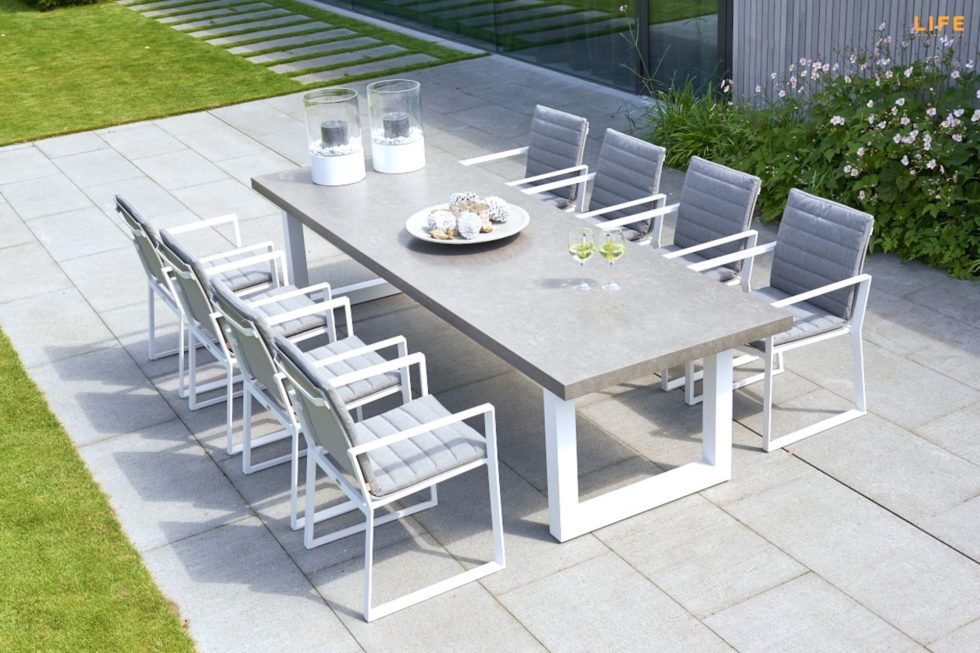
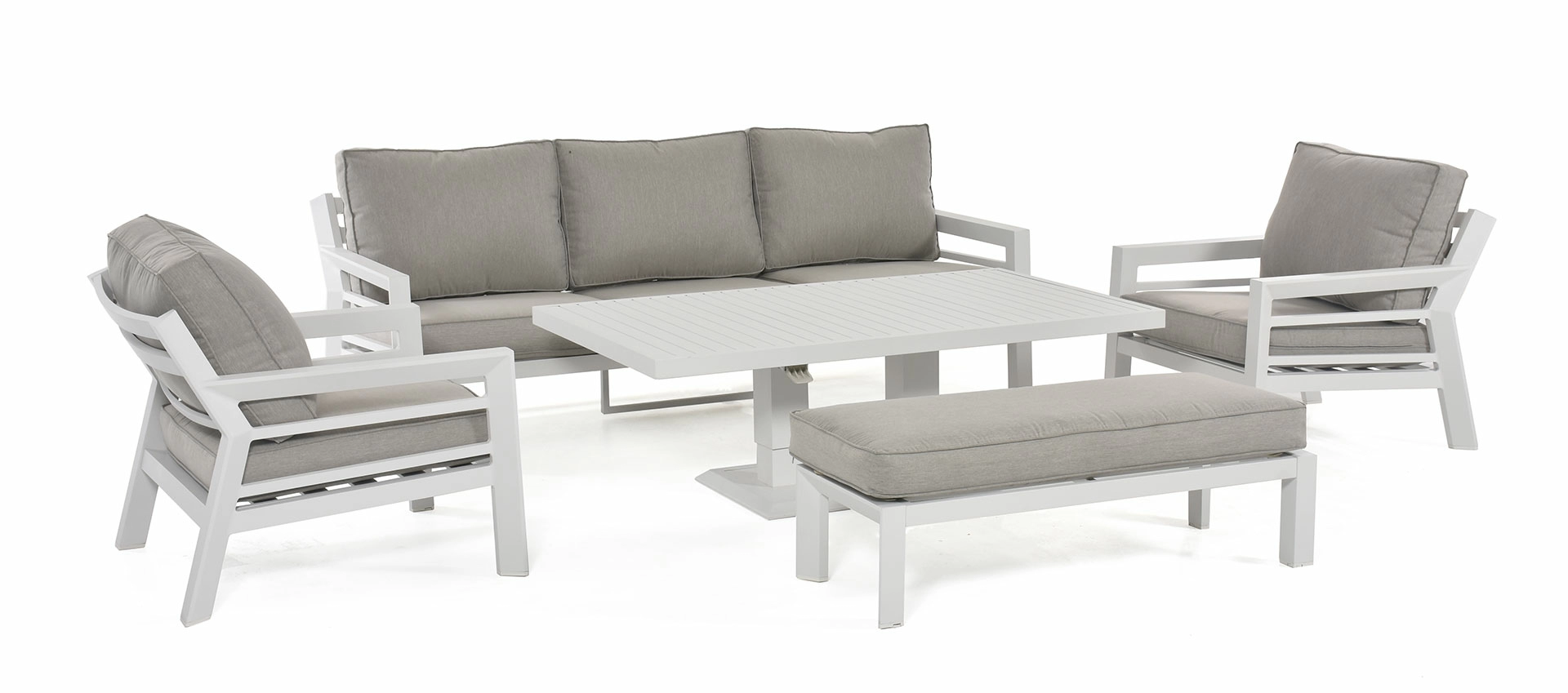
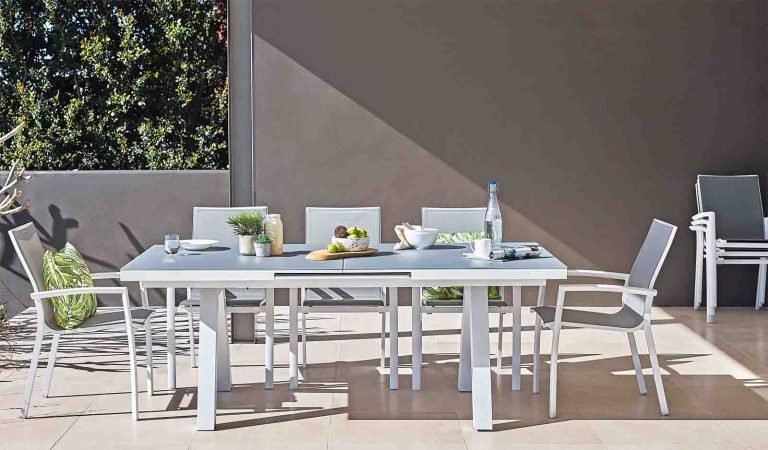
.webp)
.webp)
.webp)


.webp)
.webp)
.webp)
.webp)
.webp)
.webp)
.webp)
.webp)